Continental Congresses
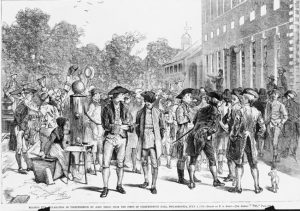
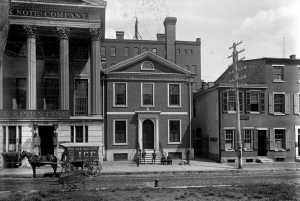
The First and Second Continental Congresses, held in Philadelphia in 1774 and 1775-81, engaged in the complex politics surrounding independence and heightened the city’s role in a world-changing moment in ...
As Philadelphia expanded physically after its 1854 consolidation of city and county, building contractors wielded a greater degree of political power as they paid politicians and civil servants handsomely for the rights to construct the city’s infrastructure. The late nineteenth century saw the emergence of the “contractor boss”—a construction magnate who wielded political power directly ...
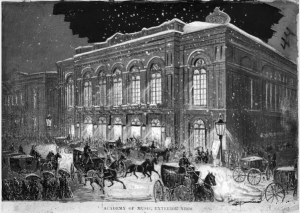
Philadelphia-area residents and visitors have required places for large assemblies since the colonial era, and a variety of temporary and permanent facilities served this purpose in the eighteenth and nineteenth centuries. Modern, multipurpose convention centers appeared in the late 1920s and have since grown in size and scope. By the early twenty-first century, many of the region’s cities, ...
Convents—communities of women devoted to religious life—in the Greater Philadelphia area played a significant role in the education of youth and in social services for communities from the nineteenth century into the twenty-first century. Although some regional Catholic convents moved or closed during this time, the Philadelphia area remained strong in Catholic identity because of ...
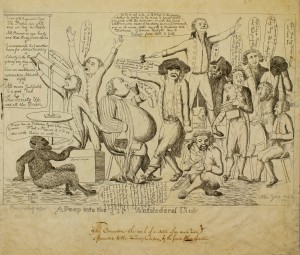
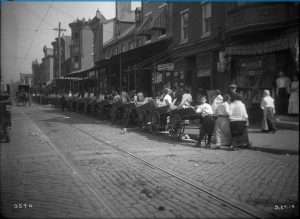
Shoemaking, one of the most lucrative trades in Philadelphia during the eighteenth and early nineteenth centuries, also proved to be one of the most contentious. Dissension within the trade worsened in the last decade of the eighteenth century and climaxed with the Philadelphia Cordwainers (shoemakers) Trial of 1806. This trial proved to be not only ...
Two major coronavirus epidemics in the early twenty-first century left their mark on the Greater Philadelphia region. The second of these epidemics, beginning in 2019, caused considerable loss of life; prompted major restrictions on education, social life, and the area’s economy; and exposed urban inequalities. Vaccine research undertaken in Philadelphia, however, played a critical role in ...
Country clubs originated in the 1890s as elite, family-oriented havens usually emphasizing golf, but they have never been just about golf or even sports. Clubs fostered sportsmanship, appropriate deportment, and social development while also providing opportunities for exercise. A “golden age” of country clubs lasted until the Great Depression of the 1930s, and the number of clubs grew ...
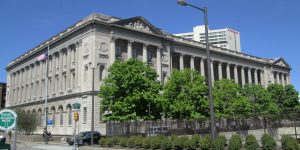
The prominent locations of courthouses in the architectural landscape of Philadelphia and the surrounding region mirrored their positions as cornerstones of civic life. By the eighteenth century, courthouses with clock towers and cupolas defined city squares and communal networks. As democracy and citizenship expanded in the years that followed, pressures on the courts rose accordingly ...
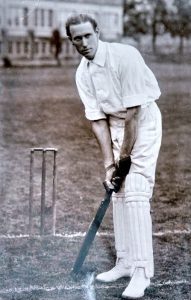
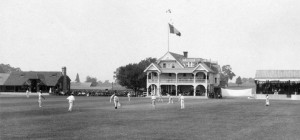
The rise, fall, and rebirth of the sport of cricket in the Philadelphia region reflected political, social, and economic change. Cricket once flourished in the city, which produced some legendary players known throughout the cricketing world. The rise of other leisure activities supplanted the game, however, until a moderate resurgence in the late twentieth and ...
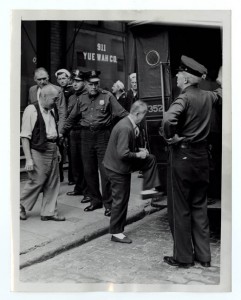
Crime is inextricably linked to Philadelphia's shiftng economic fortunes. The history of crime reflects the Philadelphia region’s status as a port-dominated entry point for goods and immigrants, a center of American commerce and industry, a concentrator of both wealth and poverty, and as part of an imploding industrial economy. Crime as a type of economic activity has changed dramatically ...
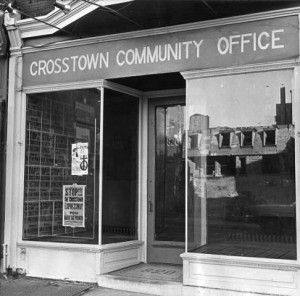
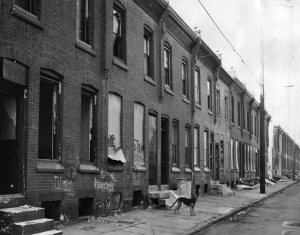
The Crosstown Expressway, a proposed limited-access highway on the southern edge of Center City, became the subject of prolonged controversy during the 1960s and 1970s as redevelopment schemes met with neighborhood resistance. The envisioned highway first appeared in redevelopment plans for Center City during the 1940s and came to play a role in regional traffic planning. However, the most ...
Social and economic elites dominated formal politics in Pennsylvania and New Jersey during the colonial and revolutionary eras, but ordinary people, often those who were ineligible to vote, helped shape the political culture. To support or oppose economic conditions and policies imposed by imperial, provincial, and local legislators, they periodically engaged in public celebrations, civil ...
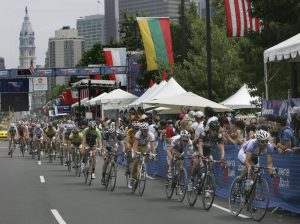
The Philadelphia area’s connections to the sport of cycling have spanned nearly 200 years, reflecting its rise, decline, and resurgence in the United States. The region’s history of road, track, and all-terrain races began before the invention of the modern “bicycle” and continued into the twenty-first century with new variations of the sport and the ...
Established in the winter of 1748-49, the Dancing Assembly of Philadelphia— also known as “The Assembly” or “The Assemblies”— originated as an occasion for elite men and women to gather for social dancing in carefully matched pairs. Modeled after the English “assembly,” a type of formal social gathering most famously held in Bath and London, ...
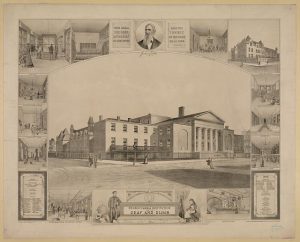
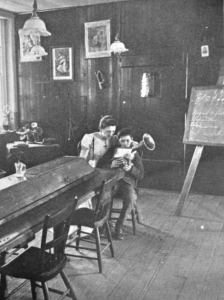
Documentation of the lives of deaf individuals in the Philadelphia region, and elsewhere, is limited. Historic accounts depict desperate individuals roaming the streets or begging. Prior to the advent of public schools for the deaf, only elite deaf individuals received private tutoring. In the early nineteenth century, Philadelphia philanthropists, religious figures, educators, merchants, and ...
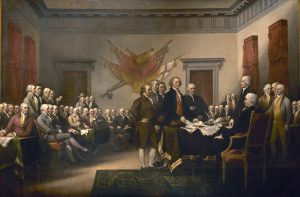
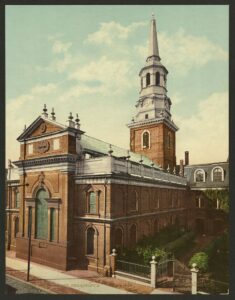
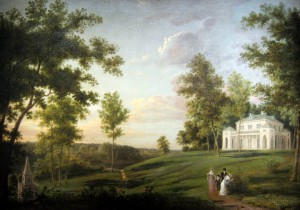
Convening in the East Room of the Pennsylvania State House from May 1775 to July 1776, sixty-five delegates of the Second Continental Congress worked through deep political divisions to create the Declaration of Independence, which gave birth to a new nation and cemented Philadelphia’s reputation as a Cradle of ...
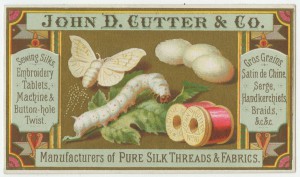
The Philadelphia region’s long-held reputation as the “workshop of the world,” though richly deserved, did not prevent it from suffering the same loss of manufacturing firms and jobs that devastated the economies of other manufacturing centers. Local products ranged widely, from locomotives and ships to silk hosiery, wool carpets, machine tools, hand tools, lighting fixtures, ...
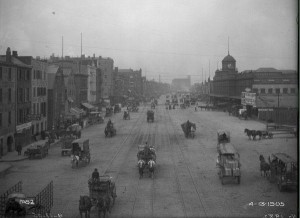
Delaware Avenue, the north-south thoroughfare closest to the Delaware River in Philadelphia, owes its existence to the richest man in America, who wanted a grand avenue along the central waterfront. The street, including a portion renamed Columbus Boulevard in the 1990s, played a significant role in the development of Philadelphia's maritime activity, particularly food distribution for the ...
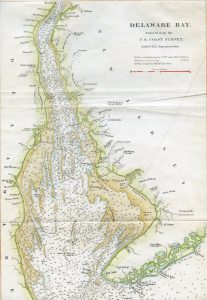
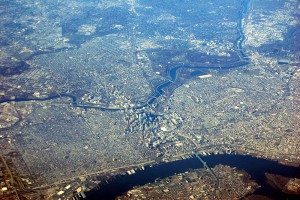
The Delaware Bay does not often get the historical acknowledgement received by its estuarine neighbor, the Delaware River, but it exerted equal weight in shaping the Philadelphia region’s cultural and economic development. Over seven hundred square miles in size and bordered by New Jersey and Delaware, the Delaware Bay is one of America’s premier maritime ...
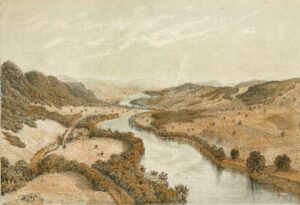
For centuries the Delaware River supplied its region with water, food, transportation, and water power to run mills to saw timber and produce grain, paper, and textiles. As the largest undammed river in the United States east of the Mississippi, its bounty seemed limitless. William Penn (1644-1718) recognized its value when he located his port city of Philadelphia on its banks in a place that ...
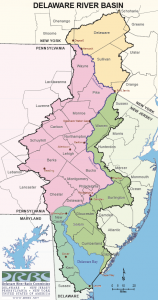
The four-state compact that established the Delaware River Basin Commission was a breakthrough innovation in addressing the interrelated land and water impacts of natural resources spanning political jurisdictions. For the first time, the federal government and several states joined as equal partners in a single agency to regulate and develop the watershed of an entire ...
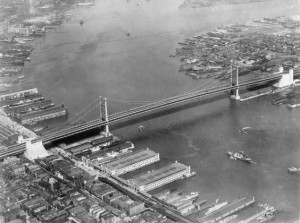
The Delaware River Port Authority (DRPA) was created nearly one hundred years ago as a bi-state commission for the purpose of building a single toll bridge. It grew into a major regional transportation agency, making major investments in infrastructure and gaining significant expertise in bridge and commuter rail ...
The Delaware Valley Regional Planning Commission (DVRPC) was founded in 1965 to coordinate planning activities within a nine-county area, which included Philadelphia, Bucks, Chester, and Delaware Counties in Pennsylvania and Camden, Burlington, Gloucester, and Mercer Counties in New Jersey. In the decades since its founding, DVRPC has worked to foster economic development, direct transportation ...
In the 1790s the Democratic-Republican Societies emerged and helped to establish the precedent in the United States for political organization and government opposition at the local and regional level. In April 1793, in Philadelphia, the capital of the United States, Peter Muhlenberg (1746-1807) and Michael Leib (1760-1822) founded the first of these societies, the German Republican Society of ...
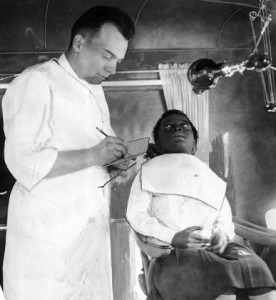
As dentistry slowly emerged as a profession in the eighteenth and nineteenth centuries, innovative dentists in Philadelphia helped to shape dental care, procedures, and tools. Beginning in the mid-nineteenth century, dental colleges, journals, and societies contributed to the expansion of dental training and practice, which gradually but increasingly became accessible to women and people of ...
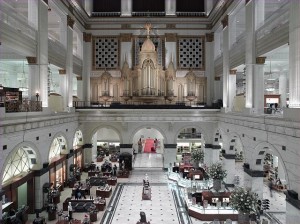
As department stores became central to retailing in American cities in the late nineteenth and early twentieth centuries, Philadelphia played a major role. Led by John Wanamaker, whose store was a national model, the giant "Big Six" stores on Market Street helped create a new consumer ...
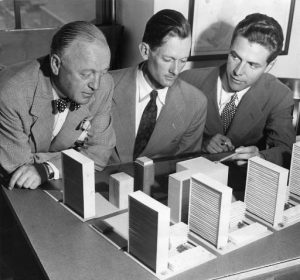
Published in 1967, Design of Cities assessed urban development from the ancient through the modern periods while highlighting many redevelopment projects in postwar Philadelphia. Written by urban planner Edmund Bacon (1910-2005) and replete with photographs, sketches, maps, and his insights, the book appeared during a time when urban renewal, historic preservation battles, racial tensions, and ...
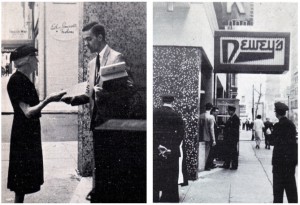
In 1965, protesters at a Dewey’s restaurant lunch counter in Center City Philadelphia demanded access to public accommodations for lesbian, gay, bisexual, and transgender (LGBT) people. It was the first known protest of its kind in Philadelphia, and one of the earliest such demonstrations in the United ...
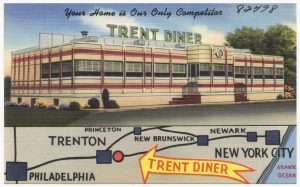
With its origins in late-nineteenth-century street vending and transient “quick lunch” operations such as horse-drawn food carts, the diner emerged as one of the most popular and successful restaurant genres in the United States. Although diners entered a period of protracted decline after World War II with the arrival of fast food restaurants, changing consumer tastes, and patterns of ...
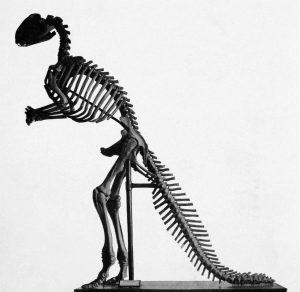
The Philadelphia area has played a major part in paleontology, the study of past life through fossils, yielding discoveries that have helped to illuminate millions of years of existence. In the early 1800s, Philadelphia became the birthplace of vertebrate paleontology, the study of ancient backboned animals, and the Academy of Natural Sciences became a hub for paleontological work. The unearthing ...
Free clinics known as dispensaries served the “working poor” of European, British, and American cities from the eighteenth through the early twentieth centuries. Paid or volunteer physicians saw patients on site or at their homes in the dispensary’s district, caring for both minor ailments and more serious diseases. The Philadelphia Dispensary for the Medical Relief ...
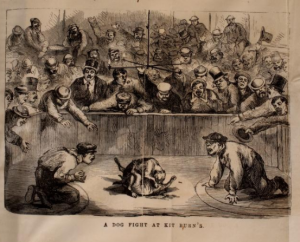
The cruel practice of dogfighting has thrived in the shadows of the Philadelphia region for more than 150 years. Most commonly, young men have matched dogs against one another in remote locations and blighted neighborhoods for money and bragging rights. The process of training and culling weak dogs as well as the fights themselves have ...
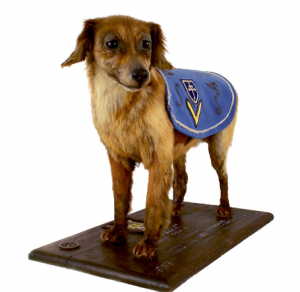
For as long as people have inhabited Philadelphia and the surrounding area, dogs probably have been present, too. As the first domesticated animal, dogs possess a long, complicated past with humans, likely dating back between fifteen thousand and thirty thousand years. Domesticated canids accompanied human migrants to the Americas around 10,000 to 12,000 BCE. Over ...
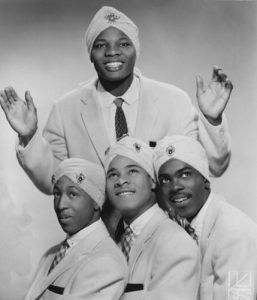
Philadelphia was one of several key cities where, in the 1950s and early 1960s, singers created the small-group vocal harmony style of rhythm and blues known as doo wop. Doo wop was an urban style, sung on city street corners and in school hallways. Its name, derived from a type of sound singers made in ...
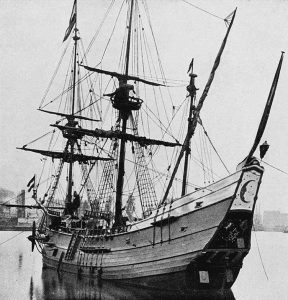
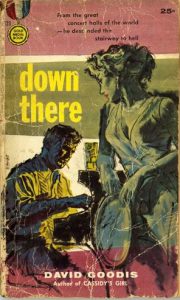
Down There, a hardboiled crime novel by Philadelphia writer David Goodis (1917-67) published in 1956, follows Eddie Lynn, a former concert pianist, who hides from his past until his estranged brother shows up and forces him to grapple with his ghosts. Although not one of Goodis’s most successful novels, Down There became his most famous ...
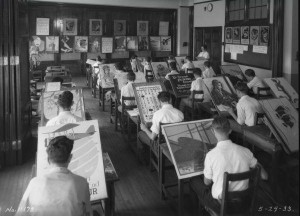
Located a mile north of the Routes 611-202 convergence, thirty-five miles north of Center City Philadelphia, Doylestown has served as the government center of Bucks County for over two centuries. Once a small village surrounded by farms, Doylestown developed into a bustling borough with a thriving downtown, a university, two museums, and commuter rail that ...
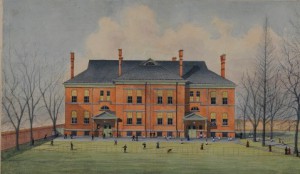
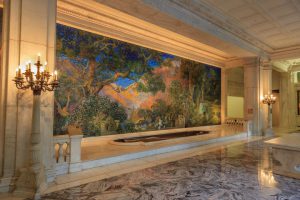
Dream Garden, a glass mosaic designed by Maxfield Parrish (1870–1966) measuring fifteen feet in height and forty-nine feet in length, caused a public sensation twice in Philadelphia’s history. The first time was in 1916 when it was installed in the foyer of the Curtis Publishing Company in Philadelphia, six months after a national debut at ...
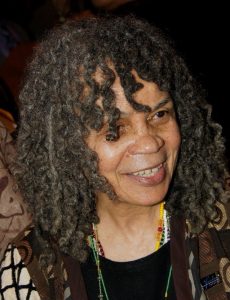
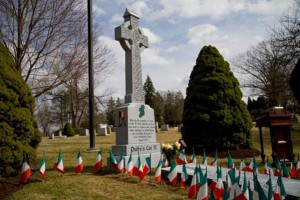
At Duffy’s Cut, a railroad construction site in Chester County, Pennsylvania, fifty-seven Irish immigrant railroad workers died amid a cholera epidemic in the summer of 1832 and were buried in a mass grave. The Irishmen from Donegal, Tyrone, and Derry were hired to dig a railroad cut and construct an earthen fill in lieu of a bridge at mile 59 of the Philadelphia and Columbia Railroad (P&C), ...
From seventeenth-century Dutch settlements in the Delaware Valley to twenty-first century business connections, the greater Philadelphia area has longstanding and meaningful ties with the Netherlands. Not to be confused with the more numerous Pennsylvania Dutch—who are in fact German, or Deutsch, speakers—Nederlanders helped shape Philadelphia through migration and cultural, social, and ...
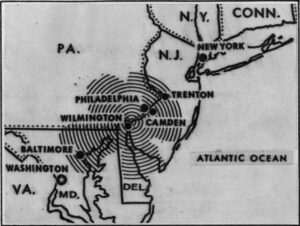
Recorded earthquakes in the Philadelphia region have been relatively few and small in magnitude. Nevertheless, southeastern Pennsylvania has had the most seismic activity of all regions in Pennsylvania, perhaps emanating from stress on the North American tectonic plate that remained after the breakup of the continents about 200 million years ...
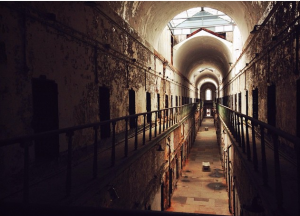
Eastern State Penitentiary, considered by many to be the world’s first full-scale penitentiary, opened in Philadelphia in 1829 and closed in 1971. Known for its system of total isolation of prisoners and remarkable architecture, Eastern State proved to be one of the most controversial institutions of the antebellum period. Abandoned as a prison in the 1970s, Eastern State became a popular ...
Edge cities, as they came to be called, emerged on the peripheries of older urban centers in the last part of the twentieth century. As defined by journalist Joel Garreau (b. 1948), they contained at least five million square feet of leasable office space, 600,000 (or more) square feet of leasable retail space, “more jobs ...
Over the course of the past century, educational opportunity has expanded for many American youth, but this expansion has also created gross economic, political, and social inequities between youth who have access to first-rate educational institutions and those that do ...
Since the early nineteenth century, several reform efforts have aimed to improve Philadelphia-area public schools. While the historical context and the individual actors changed over time, a firm belief that basic education for all could foster social equality animated reform in every era. Of course, race- and class-based inequality did not disappear, but educational reform had a lasting ...
In “Elegy (for MOVE and Philadelphia),” Philadelphia poet and playwright Sonia Sanchez (b. 1934) questions the paradoxical nature of a city that seemingly set itself and its people ablaze. Written in response to the 1985 police bombing of the radical group MOVE and the subsequent fire that occurred on the 6200 block of Osage Avenue, ...
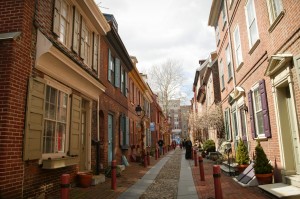
Nestled between Second Street and the Delaware River, thirty-two Federal and Georgian residences stand as reminders of the early days of Philadelphia. Elfreth's Alley exists today as a residential street, historic landmark, and interpreted site labeled the “Nation’s Oldest Residential Street.” The heroic efforts of residents and local historians from the 1930s to 1960s preserved the Alley ...
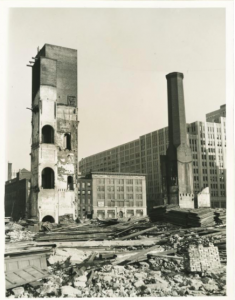
Eminent domain refers to the right of the government to take private property and convert it into a public use. Across the Greater Philadelphia region, state and local governments have used this power to spur economic growth by attracting capital investment. However, governments across the region enacted new laws to provide greater protections for property owners as well as ...
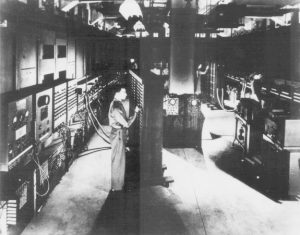
Developed in Philadelphia during World War II, the Electronic Numerical Integrator and Computer (ENIAC) made history as the world’s first general-purpose, nonmechanical computer. Unveiled at the University of Pennsylvania’s Moore School of Electrical Engineering in 1946, the ENIAC consisted of 40 nine-foot-high cabinets containing 18,000 vacuum tubes, 10,000 capacitors, 6,000 switches, and ...
Introduced in the Philadelphia area and the nation in the early 1980s, the enterprise zone was a new kind of urban policy that emphasized market-based, “supply-side” strategies for tackling urban decline, most notably in the form of tax incentives for business. A variation in the 1990s, the empowerment zone, targeted areas of high poverty and ...
Philadelphia and its nearby localities became important sites for entomological study by the nineteenth century due to the presence of the Academy of Natural Sciences (established in 1812) and the American Entomological Society (1859). Entomological writing and illustration also flourished in this center for book production. Over time, entomologists’ interest in insects shifted from the ...
Connecting the Past with the Present, Building Community, Creating a Legacy