Essays » Business, Industry, and Labor
Workshop of the World (Theme Essay)

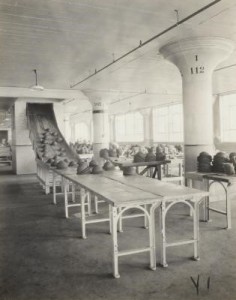
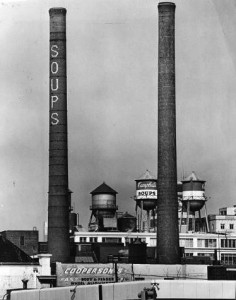
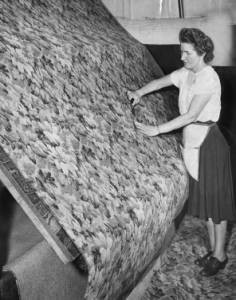
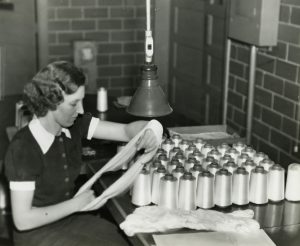
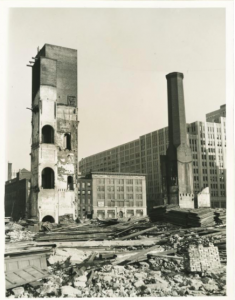
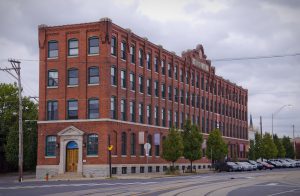
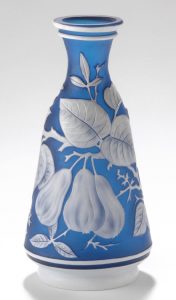
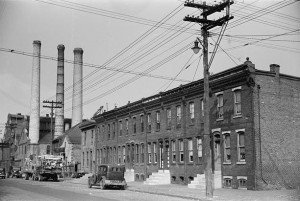
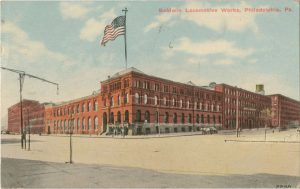
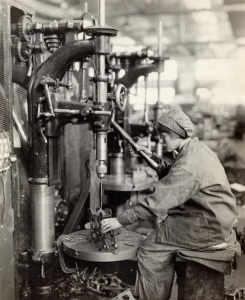
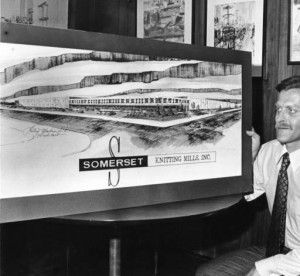
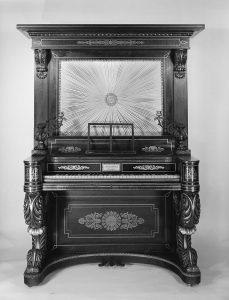
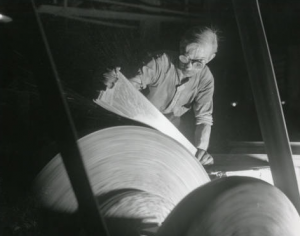
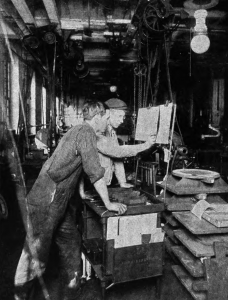
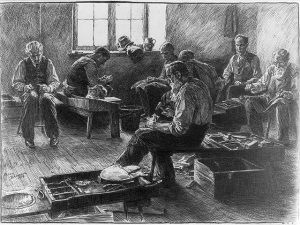
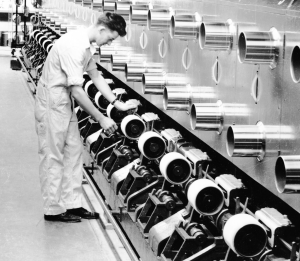
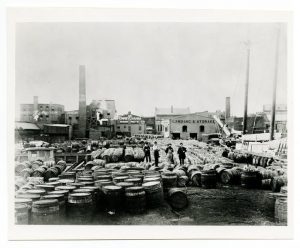
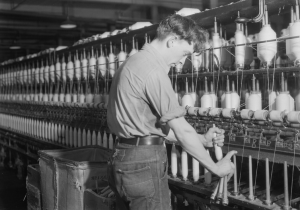
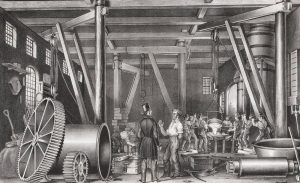
How will they know? How will future generations of Philadelphians have any inkling that their city once thrived as a premier manufacturing center, the fine products issuing from its shops, mills, and plants prized by customers around the nation and the world? Delving into the past is to find that the decline of Philadelphia manufacture is directly related to its rise, flip sides in effect of the same coin: of the strengths and weaknesses of a particular kind of industrial system that graced the city, one that rested by and large on the production of quality goods.
Banking

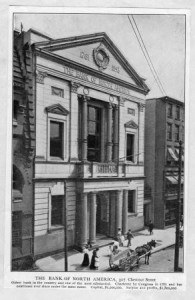
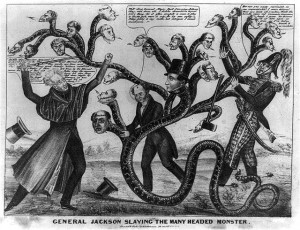
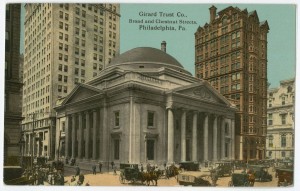
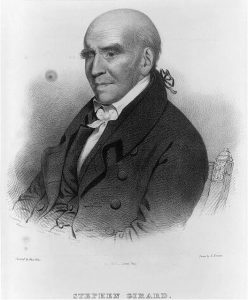
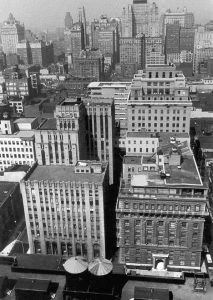
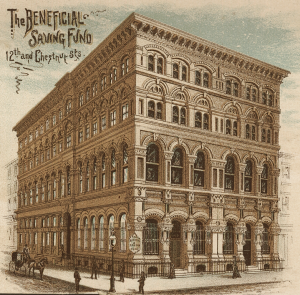
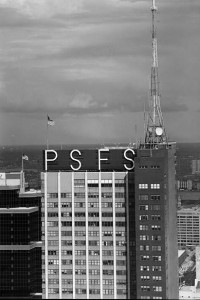
Greater Philadelphia’s banking roots go deeper than those of any region in the country. By the late twentieth century, however, historic regulatory changes led to acquisitions by out-of-town giants and changed the face of the banking industry both locally and nationally.
Centennial Exhibition (1876)

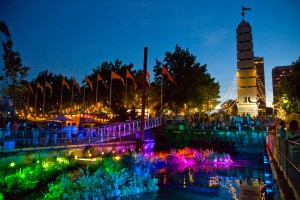
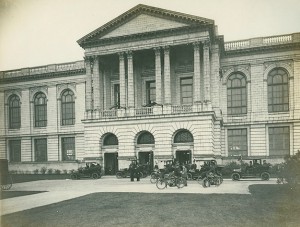
Modeled after the Crystal Palace Great Exhibition in London, and the first in a long line of major world’s fairs in the United States, the Centennial Exhibition in 1876 exhibited national pride and belief in the importance of education and progress through industrial innovation.
Department Stores

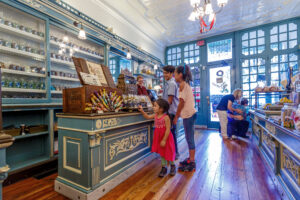
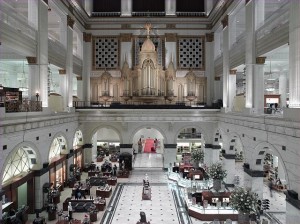
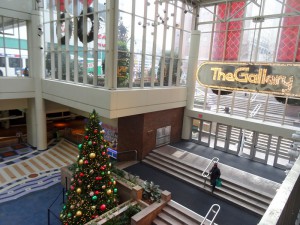
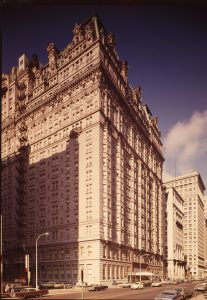
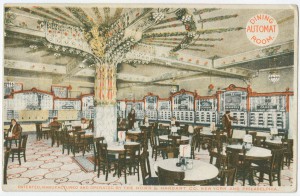
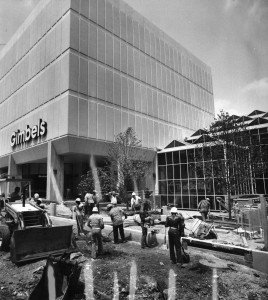
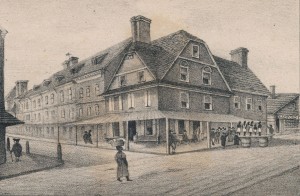
As department stores became central to retailing in American cities in the late nineteenth and early twentieth centuries, Philadelphia played a major role. Led by John Wanamaker, whose store was a national model, the giant "Big Six" stores on Market Street helped create a new consumer culture.
Flaxseed and Linen
In the colonial era linen and flaxseed were fundamental to the mercantile life of Philadelphia and the Delaware Valley. Traveling in a circle of trade across the north Atlantic, these goods forged relationships among colonial farmers, backcountry shopkeepers, and British mercantile credit systems.
Flour Milling

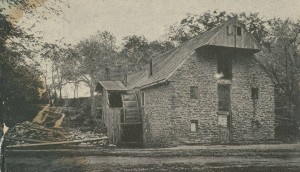
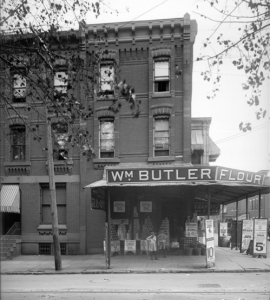
At the time the first European colonists settled in the Delaware Valley, few places in the world were as well-suited to the cultivation of grains. By 1750 the Delaware Valley produced such a surplus that its wheat and flour not only supplied the American market but also were exported to Europe, Africa, and the Caribbean.
Industrial Workers of the World

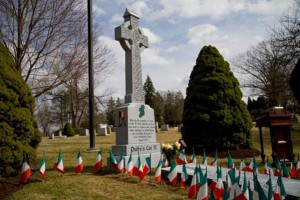
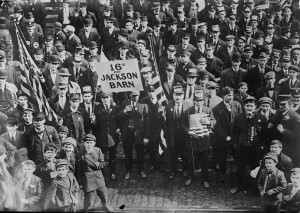
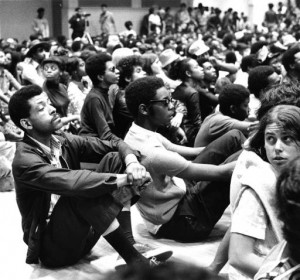
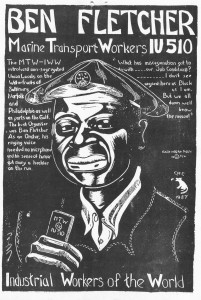
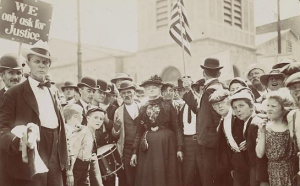
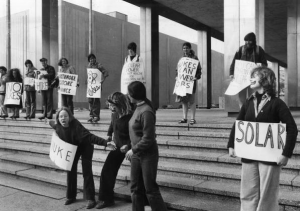
In the early 1900s thousands in greater Philadelphia belonged to the Industrial Workers of the World (IWW)—a militant, leftist labor union. Local 8, which organized the city’s longshoremen, was the largest and most powerful IWW branch in the Mid-Atlantic and the IWW’s most racially inclusive branch. The organization and its ideals lived on, revived in recent decades by activists in Philadelphia and across the country.
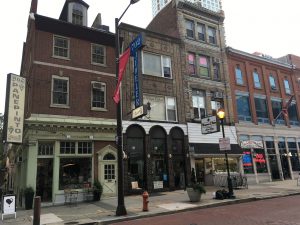
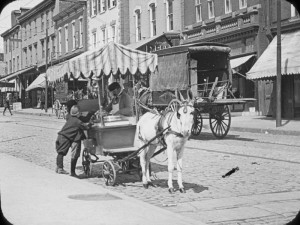
Italian Market
Northwest Philadelphia
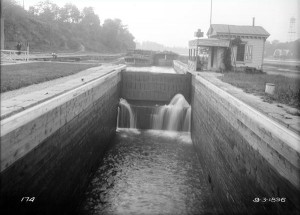
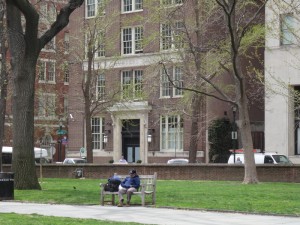
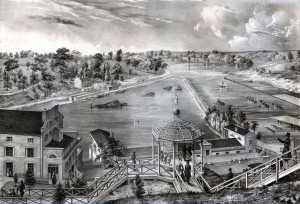
Northwest Philadelphia, bound loosely by the Roosevelt Expressway to the south, Broad Street to the east, and the suburbs of Montgomery County to the north and west, has origins as old as the city itself. Developing around the Schuylkill and Wissahickon Creek waterways, and later Fairmount Park, the Northwest expanded and changed with the advent of new technologies and the larger legal, political, and cultural trends of Philadelphia.
Shipbuilding and Shipyards
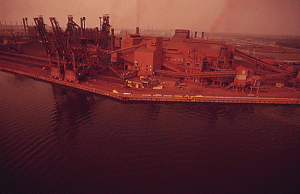
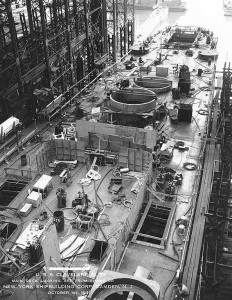
Perhaps no business, industry, or institution illuminates the history of the Greater Philadelphia region from the seventeenth century to the present day more clearly than shipbuilding and shipyards. This may seem surprising since Philadelphia and nearby Delaware riverfront ports lie one hundred miles from the Atlantic Ocean. Why then did Philadelphia and surrounding southeastern Pennsylvania, Delaware and New Jersey riverfront ports develop shipyards and become one of the greatest shipbuilding regions in the United States?
Slavery and the Slave Trade

Slavery and the slave trade were central to the history of eighteenth- and nineteenth-century Philadelphia as the region economically benefited from the institution and dealt with tensions created by slave trading, slave holding, and abolitionism.